


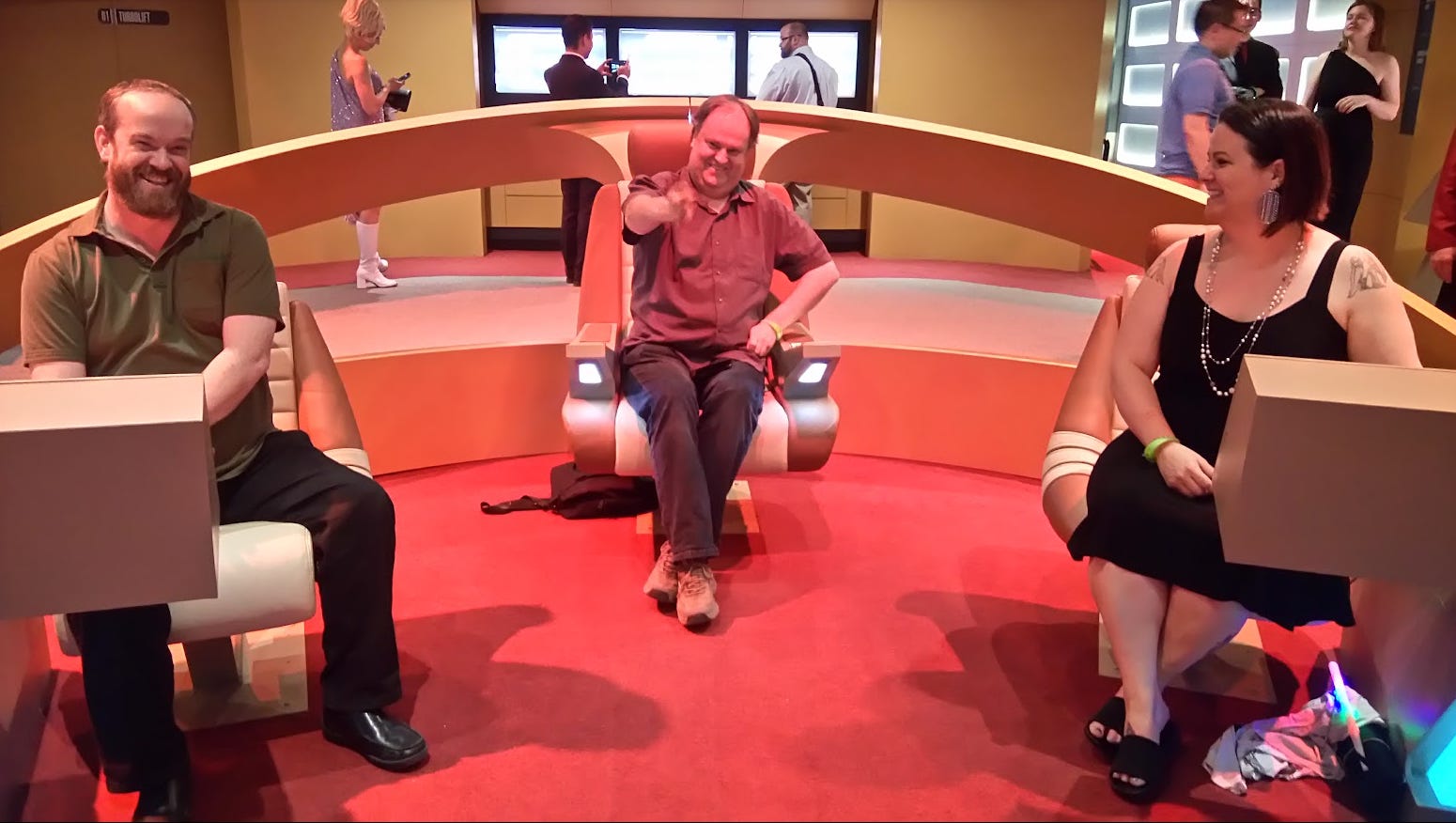
I am a certain type of nerd. While I didn’t know I was Autistic growing up, I knew that I fit within a certain nerd culture. I was a big fan of Star Trek (TOS and later Next Generation when it was live), Doctor Who (watched with my father when it came to TV Ontario), and Star Wars (I actually explained my spiritual beliefs in my late teens and 20’s by referencing Episode IV – Han Shot First, and before the midi-chlorians ). When the Ottawa Comiccon started, I was a regular attendee for many years.
When I met my future wife in 1995, and started to learn about South Asian culture, I had a pretty good idea of the context of the use of the word “firingi” or “firangi”. While I eventually learned that it was a Mughal-era Persian loan word from the Arabic farenji, meaning ‘Frank’ or Frenchman, it was no longer being used to reference Frenchman and it also wasn’t generically a term for “foreigner”.
It was being used to reference specific primarily Western-European worldviews that other parts of the world became aware of during the Christian Crusades and later as part of Christian Capitalist Colonialism.
In recent years I read the short story Where The Borg Are , which is a story of Milton and his grandfather. These are two “North American” (what the peoples around where I have lived such as the Anishinaabe and Haudenosaunee would call Turtle Island) Indigenous (First Nations) people theorizing about which race represented in Star Trek that Europeans most resemble. They discuss the Borg, Vulcans, Federation (Earth), Vulcans and Ferengi, but come to no specific conclusion as those Star Trek races are pretty reductionist as written. (Note: I’m aware the author Thomas King isn’t Indigenous)
While I understood the meaning of the word “firingi” from the many South Asians I know, I also noticed huge differences between the European Christian settler-colonial Canadian culture I grew up in, and the Ferengi from Star Trek.
The obvious has to do with the “Rules Of Acquisition”.
In the Star Trek universe, Ferengi memorize the Rules of Acquisition, from a very early age, and recite and reference them often.
Growing up under the Dominion of Canada governments, I was never taught about the European Christian Doctrine of Discovery, Terra nullius, or the alleged “right of conquest”. I was never told the “Rules of Acquisition” that Canada specifically, and Western European worldviews generally, used to claim exclusive control over lands and its human (and more than human) inhabitants, and everything which the worldviews from Western Europe claimed as “property” – itself an exclusivity without responsibility.
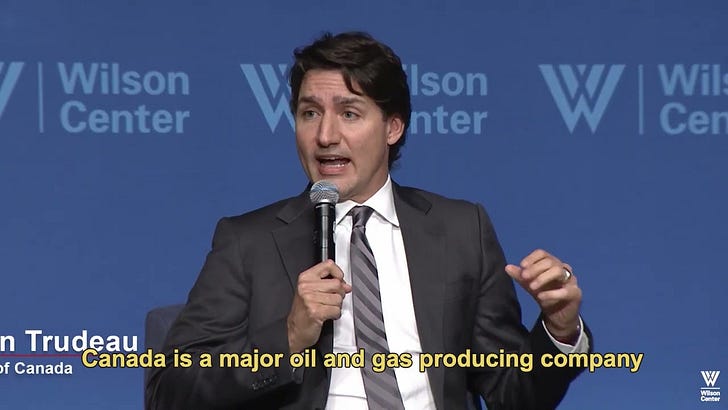
I suspect most loyal subjects/citizens of Western governments are confused when individuals such as Donald Trump, who have lived in an elite bubble their entire lives, make reference to the Rules of Acquisition (of Greenland, of oil under Territories other than their own government, etc). We aren’t regularly made aware of these rules as it is believed the general public, in something that claims to be a democracy, would never accept these offensive rules as the basis of the claims that entities like the USA and Canada have on lands and its inhabitants.
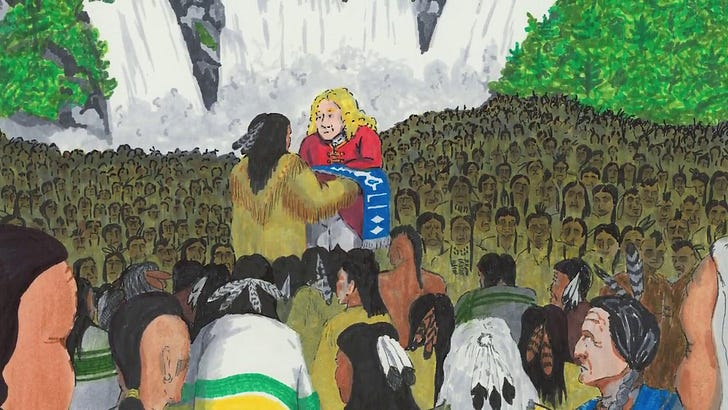

In the Star Trek universe, other groups such as the Federation do not internally use anything like the “Rules of Acquisition”, and in fact don’t use money at all within that federation. It is only when the federation has to interact with non-federation species/planets/etc that they need to contemplate the concept of Latinum.
Under Canadian mythology, the way Canada works, including its narrow Western European derived economic theories (heavily derivative of Anthropocentrism and Androcentrism - with fixations on hunter/gathering extractive industries), are universal planet-wide or somehow even claimed to be “natural”.
You can get the theme, and if you are a Star Trek or other Science Fiction fan, please throw in some of your own comparisons into the comments.
Whenever I heard the term “firingi” , it never occurred to me to be personally insulted. The comment is not about individuals, but cultures, religions, worldviews, and other such things which define a peoples (think of the greek word genos).

For reasons I didn’t understand at the time, when I first travelled to India in 1998, the dominant North American culture was not part of my personal identity. Whether or not I personally identified with the dominant Eurocentric/Christiancentric/colonial/empire/Capitalist culture of the West, I knew it was much safer for the rest of the world to start with the assumption that this is also my culture. There are good and valid reasons to be sceptical of those who grow up in these Eurocentric cultures, as it is an unusual individual who doesn’t feel connected to the dominant culture.
I am now aware that the term originated as a reference to the French Empire and Christian crusades, and those who are loyal to the British, Spanish, Portuguese, German, or Russian empires think they are so different — but for the majority of the world’s population, the supremacist attitudes they first observed as part of the crusades have not significantly changed.
(Jump to 5:04 in the following video if you want to learn about Autistic people and cross-cultural communication)
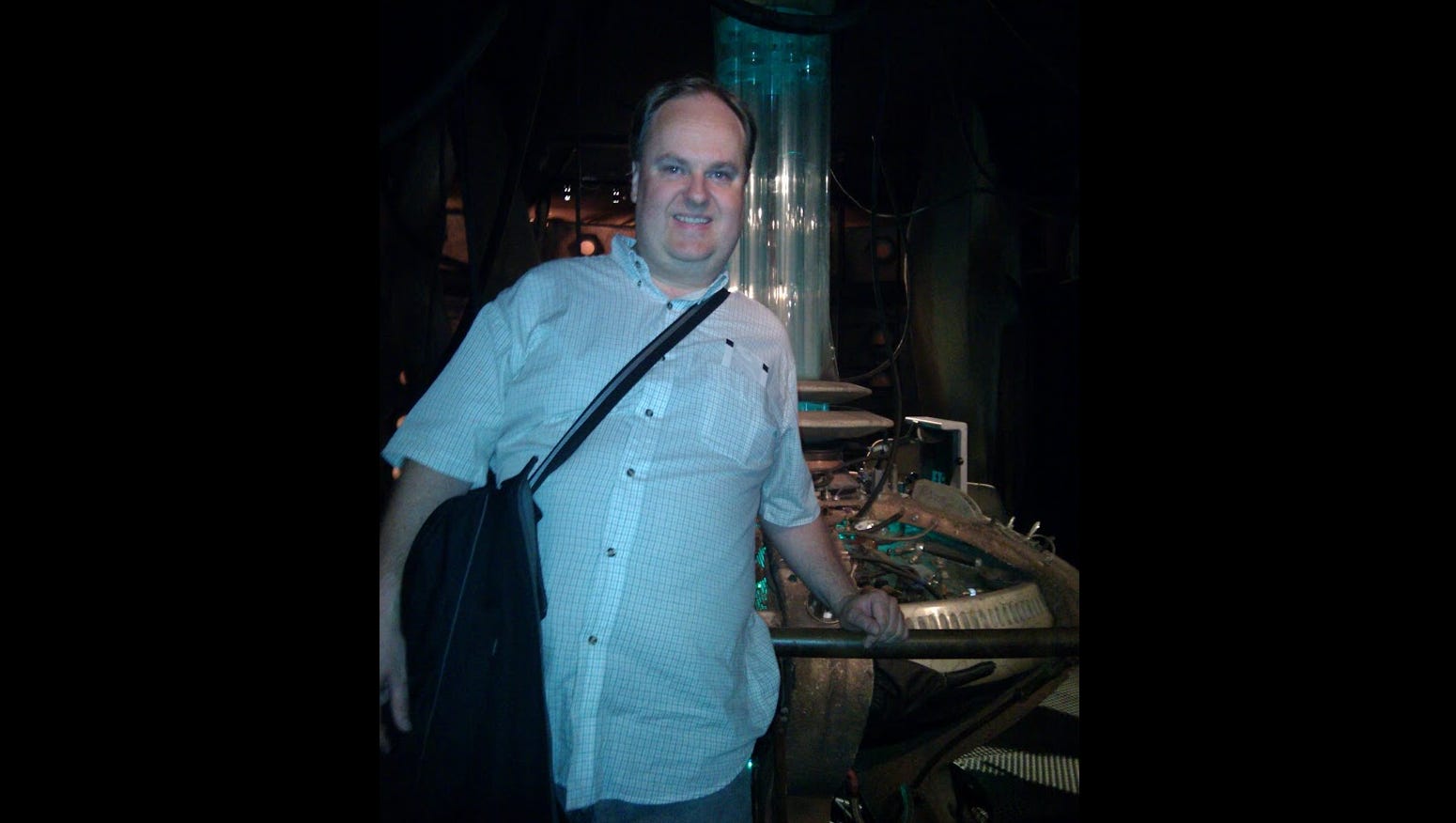
This is great! In that photo of you at the beginning is so awesome!
Found myself nodding in agreement with much of what you wrote.
Even though I watched The Next Gen almost religiously , TOS had the most impact on me, I guess I have to say that TOS helped shape my world view and perhaps even my philosophy on life.